How to Document Roof Condition Before and After Cleaning
Whether you are a homeowner arranging a roof clean or a property manager overseeing several buildings, a clear photographic and written record of your roof's condition is one of the smartest steps you can take. On the Sunshine Coast, where humidity, salt air, summer storms and heavy tree cover accelerate moss, lichen, algae and mould growth, roofs work hard. Good documentation protects your investment, supports insurance and warranty conversations, and gives you an honest way to judge the quality of the work.
Why Documenting Your Roof Matters
A roof clean should improve appearance and help extend the life of your roofing materials. But without a baseline, it is difficult to prove what the roof looked like beforehand, whether any existing damage was present, or how effective the cleaning really was.
Documentation is useful for several reasons:
- Insurance claims: If a storm or cyclone-season event damages your roof later, dated records show its prior condition.
- Dispute resolution: If cracked tiles, loose ridge capping or displaced sheets are noticed after a service, before-and-after images help clarify when the issue arose.
- Warranty and maintenance records: Some roof coatings, paint systems and manufacturer warranties require evidence of regular maintenance.
- Property sales and leasing: A maintenance history demonstrates care for the property to buyers, tenants and agents.
- Measuring results: Side-by-side comparisons show whether the clean removed growth evenly and whether problem areas return quickly.
Preparing to Document Your Roof
Choose the Right Timing
Capture your before records within a day or two of the scheduled clean, ideally before any crew arrives. Conditions change quickly with Sunshine Coast weather, and a recent record is more credible. Take your after images once the roof is fully dry and any rinse-off or treatment has settled, though keep in mind that some biological treatments continue to work for days or weeks.
Use Consistent Lighting and Conditions
Shoot in similar lighting for both sets of images. Mid-morning or late afternoon light shows texture and growth well without harsh glare. Avoid shooting in heavy rain or very strong midday sun, which can wash out colour differences and hide surface detail.
Gather Your Equipment
- A smartphone or camera with date and location stamping enabled
- A zoom lens or telephoto function for close-up views from the ground
- A drone, if you hold the appropriate approvals or hire a licensed operator, for a full overview
- A notepad or notes app for written observations
- Binoculars for checking ridge lines and valleys safely from below
Staying Safe While Documenting
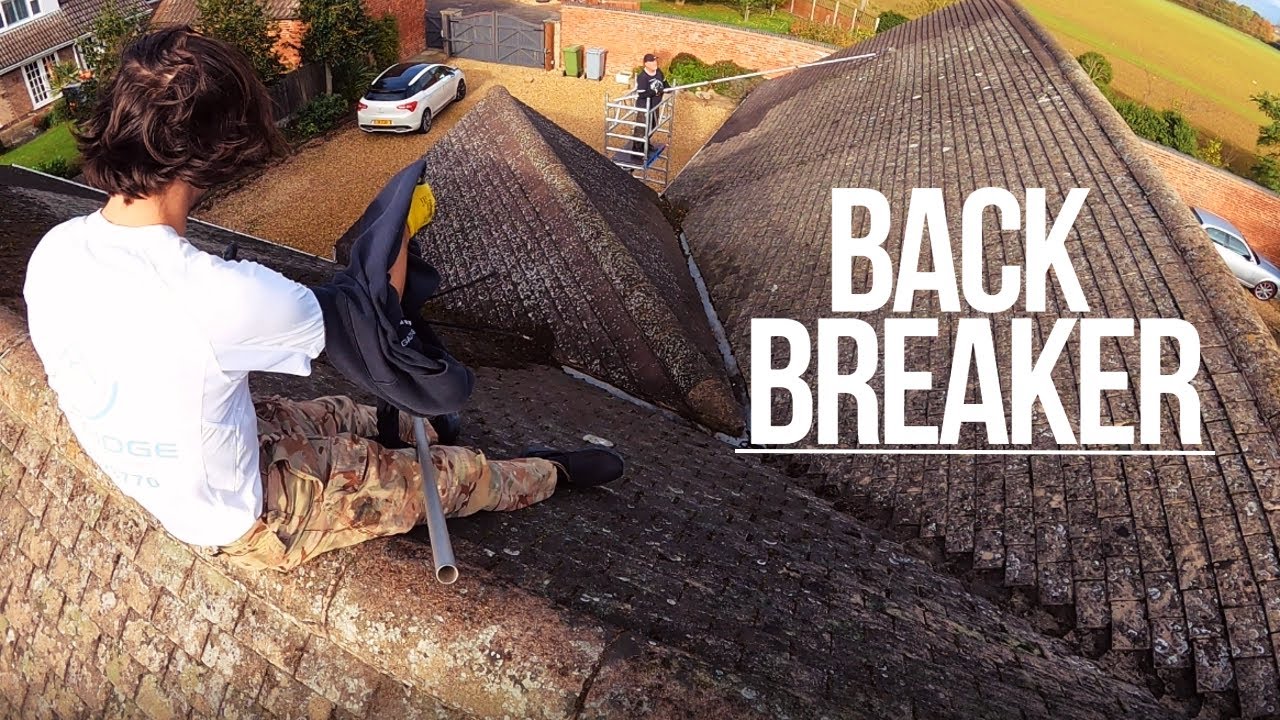
Never climb onto a roof just to take photographs. Falls from roofs are a serious cause of injury in Australia, and wet, mossy or sun-baked surfaces are especially hazardous. Document from the ground, from a stable upper-storey window, or from neighbouring vantage points where it is safe and legal to do so. If you want close-up inspection images, ask your roof cleaning provider to supply them, as trained crews use fall protection and appropriate equipment.
If you use a drone, remember that Australian rules from the Civil Aviation Safety Authority (CASA) apply, along with privacy considerations around neighbouring properties. Many owners find it simpler to engage a licensed drone operator or ask their cleaner whether aerial imagery is part of the service.
What to Photograph Before Cleaning
Work around the property in a systematic way so that nothing is missed. Capture wide shots first, then move to close-ups.
Overall Views
Take images of every roof face from multiple angles, including the front, sides and rear of the house, plus garages, patios, carports and sheds. Try to include a recognisable landmark, such as a chimney, window or tree, so each photo can be matched https://roofcleaningsunshinecoast.com.au/contact/ to its after-clean equivalent.
Problem Areas and Details
Zoom in on areas where growth tends to concentrate or where damage is more likely. On the Sunshine Coast these often include:
- Shaded southern roof faces and areas beneath overhanging trees
- Valleys, gutters and the edges where leaf litter collects
- Ridge capping and pointing on tiled roofs
- Flashing around chimneys, skylights, vents and solar panel frames
- Cracked, chipped or slipped tiles, and any loose or lifted sheets on metal roofs
- Rust spots, faded paint or worn coatings on metal roofing
- Gutter condition, including sagging, rust or blockages
Existing Damage
Pay particular attention to anything already damaged. Cracked tiles, brittle sections, previous repairs and flaking paint are common on older roofs. Recording them before work begins establishes that the issue pre-dated the clean. It also helps your cleaner choose gentler methods, such as soft washing, in vulnerable areas.
Keeping Written Notes
Photos tell much of the story, but short written notes add context. Record the date, time, weather and who attended. Note the roof material (concrete tile, terracotta tile, Colorbond or other metal, or older asbestos-containing materials), approximate age, and any known issues. Mention the type of growth you see, such as black algae streaking, green moss, orange lichen or mould.
A note on older roofs: If your home was built before the mid-1980s, there is a possibility that the roofing or related materials contain asbestos. Do not allow high-pressure cleaning of suspect materials, and seek advice from a qualified professional. Documenting the roof type in your notes helps ensure the correct approach is used.
Documenting During the Cleaning Process
You do not need to monitor every minute, but a few images taken partway through can be valuable. A reputable roof cleaner will often supply progress photos showing a treated section next to an untreated one. This helps you understand the methods used and confirms the work was carried out across the whole roof rather than only the visible areas.
It is also worth asking your provider what products and methods they use. Soft washing with biodegradable treatments is typically recommended for tiles and delicate surfaces, while excessive pressure can strip tile glaze, damage granules, force water under laps and shorten roof life. Keeping a written summary of the method used is a useful part of your maintenance file.
What to Photograph After Cleaning
Repeat your before photos as closely as possible, matching angles, distance and framing. Standing in the same spots makes comparison easy and credible.
- Retake each overall view of every roof face from the same positions used earlier.
- Revisit each close-up of valleys, ridge capping, flashing and problem areas.
- Check gutters and downpipes to confirm debris has been removed and water flows freely.
- Inspect surrounding surfaces such as driveways, paths, windows, solar panels, plants and outdoor furniture for residue or marks.
- Photograph any new concerns immediately and report them to your provider in writing, along with the reference to your earlier images.
Organising and Storing Your Records
Good documentation only helps if you can find it later. Create a dedicated folder on your phone, computer or cloud storage labelled with the property address and the date of the clean. Use clear file names such as "North-face-before-2026-03" and "North-face-after-2026-03" so pairs are easy to match.
Back up the files in at least two places and keep a copy of your invoice, quote and any written report from the cleaner. Over time, this builds a year-by-year maintenance history. Because Sunshine Coast roofs often need attention every few years depending on tree cover, humidity and exposure, a record of when growth returned can help you plan the best cleaning schedule.
What a Professional Provider Should Offer
Many professional roof cleaning companies now include condition reporting as part of the service. When comparing providers, consider asking:
- Do you supply before-and-after photos, and are they date-stamped?
- Will you point out damaged tiles, rusted sections or failing flashing that you notice?
- Which cleaning method will be used on my roof type, and why?
- Are you insured, and can you provide a certificate of currency?
- What follow-up or re-treatment options exist if growth returns early?
A transparent provider will welcome these questions and typically already has a process for recording the roof's condition. If a company is reluctant to share images or explain their approach, that is worth considering when making your decision.
Common Documentation Mistakes to Avoid
- Taking only a few distant photos that do not show tile or sheet detail
- Photographing before and after from different angles, which makes comparison unreliable
- Waiting weeks after the clean to record the final condition
- Forgetting to photograph gutters, flashing and ridge capping
- Deleting images or losing files when changing phones
- Climbing onto the roof for photographs instead of using safe alternatives
Using Your Documentation Over Time
Revisit your records after major weather events, such as intense summer storms or prolonged wet periods. Comparing the current roof against your earlier images can quickly show whether new damage has occurred, whether moss is returning in the same areas, and whether it is time to book repairs, resealing or repainting. If you are planning a roof coating or restoration, your photos also give contractors helpful background on the roof's history.
Final Thoughts
Documenting your roof before and after cleaning takes only a short amount of time, yet it can save considerable stress later. By capturing consistent photographs, keeping brief written notes, staying safely on the ground, and storing everything in an organised way, you create a reliable record that supports insurance, maintenance planning and peace of mind. For Sunshine Coast homeowners facing a climate that encourages constant roof growth, a clear condition history is a practical tool for protecting one of your home's most important features.
Sunshine Coast Roof Cleaning Pros
Unit 2/47 Enterprise St, Kunda Park QLD 4556, Australia
(07) 4158 6008